Guide reviewed against the sources below on July 15, 2026.
How to identify a watch from a photo
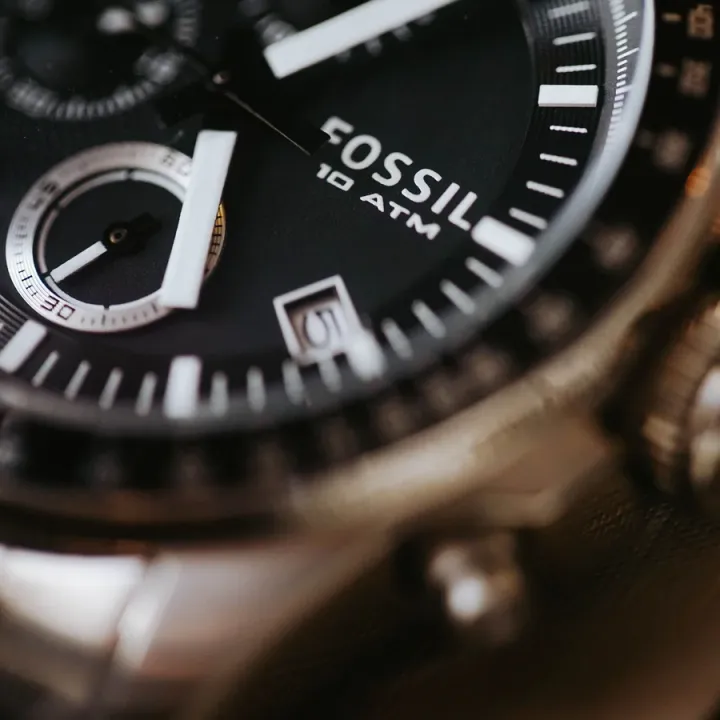
Begin with a straight, readable photograph of the dial. Then capture the case back, crown, clasp, bracelet or strap, and every reference or serial marking. Brand text alone is rarely enough: the case shape, dial layout, hand style, stone setting, bracelet construction, and reference details make the identification much more specific.
Common watch types
Compare the overall form first, then use the construction details to narrow the style.
- Dress watch
- A restrained dial, slim case, precious-looking metal, leather strap, or fine bracelet creates a formal, understated design.
- Cocktail or jewelry watch
- The bracelet and decoration lead the design, often using stones, concealed dials, sculptural cases, or elaborate metalwork.
- Bracelet watch
- An integrated or matching metal bracelet is visually continuous with the watch case and may carry its own clasp references.
- Sports-style watch
- A robust case, timing bezel, luminous markers, chronograph registers, water-resistance text, or protective crown shapes signal a functional design family.
- Fashion watch
- Brand-led styling, decorative finishes, crystals, bold graphics, or trend-focused materials are more important than a specialist movement or reference family.
How to examine the watch step by step
- Read the dial exactly. Record every word, logo, numeral, subdial, date window, gem marker, and line of small print without correcting or guessing the spelling.
- Describe the case and controls. Note the case shape, bezel, crown, pushers, lugs, hidden dial covers, and whether stones appear factory-integrated or added later.
- Inspect the bracelet or strap. Look at link shape, end links, clasp construction, taper, stretch, signatures, and whether the bracelet appears original to the case.
- Capture case-back references. Photograph model, reference, serial, metal, water-resistance, service, and ownership engravings as separate sharp images.
Marks and details worth photographing
- Dial signature, small print near six o'clock, and any text around the dial edge
- Case-back reference, serial, material, water-resistance, and service marks
- Crown, clasp, bracelet end links, strap buckle, and inside of a folding clasp
- Bracelet stretch, dial damage, missing stones, replacement parts, and heavy polishing
What affects watch value
A useful estimate starts with the details a buyer would compare. Record these alongside the GemPeek result so you can narrow your searches and compare genuinely similar pieces.
- Exact brand, model, reference, movement, production period, and market demand
- Original dial, hands, crown, case, bracelet, stones, and other reference-correct parts
- Case and bracelet material, stone setting, condition, service history, and functionality
- Box, papers, receipts, provenance, spare links, accessories, and documented repairs
Photo checklist for a stronger watch identification
- Photograph the dial straight on with the hands clear of logos, date windows, and subdials.
- Add the case back, both case sides, crown, clasp, bracelet, and any visible numbers.
- Use soft light to control crystal glare and keep printed dial text sharp.
- Do not open the case for a photo; capture the exterior evidence and leave internal inspection to a watchmaker.
Continue your jewelry research
Use the jewelry value estimator guide to understand the factors behind a price range, or follow the jewelry photo checklist before your next scan.