
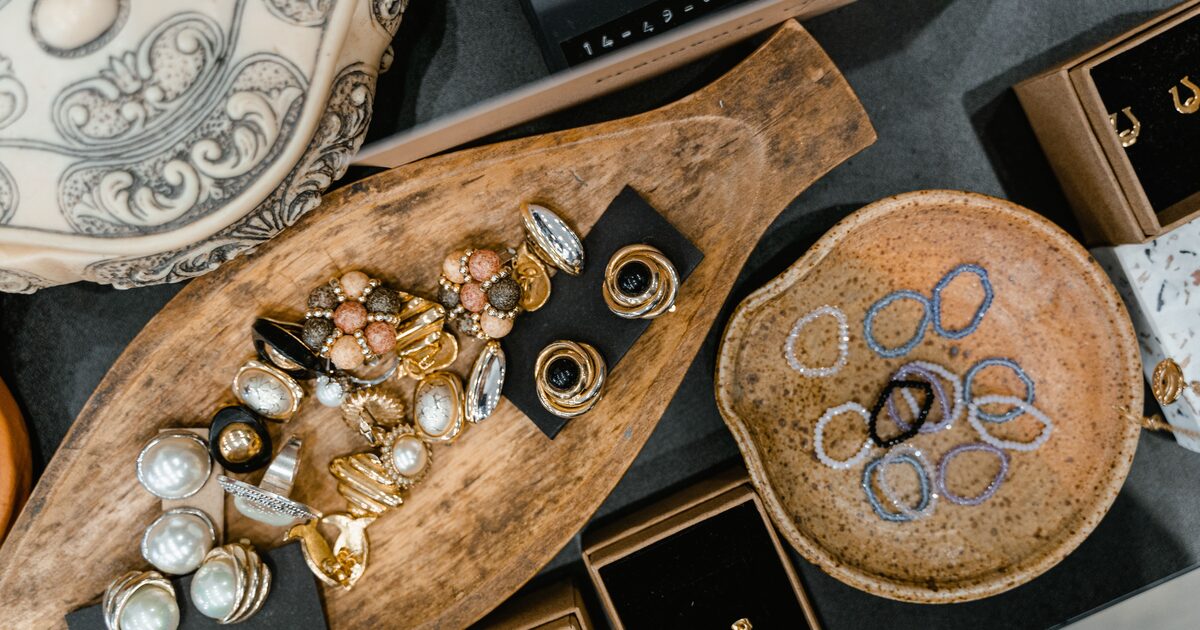
A jewelry box arrives with the rest of an estate, and suddenly you are responsible for objects you cannot name, cannot price, and cannot ask about anymore. Grief makes people rush, and rushing is where value gets lost. If you are searching for inherited jewelry what to do advice, the honest answer is that the first moves are slow ones, and the most expensive mistakes happen in the first week.
With inherited jewelry, do three things before anything else: inventory and photograph every piece, leave everything uncleaned and unrepaired, and gather any paperwork you can find. Identification comes next, then a deliberate split of sentimental and market value. Sell nothing until each piece has at least a first-pass identification.
Inherited jewelry: what to do first, step by step
One practical note before the steps: jewelry that came from an estate is usually the executor’s or administrator’s to distribute, and in many places that authority arrives with probate rather than before it. Documenting and researching is always safe. Dividing or selling is a conversation to have with whoever is administering the estate first.
Here is the calm sequence. None of it requires expertise, and every step protects you from the irreversible mistakes.
Step 1: Inventory and photograph everything before anything is divided or sold. Lay the pieces out one at a time and photograph each: the whole piece, the back, and close-ups of any stamps, engravings, or maker’s marks. Number them in a simple list. This record does three jobs at once: it preserves evidence of condition, it lets you research and get opinions without shipping pieces around, and it keeps the division among family members transparent. Disputes are far easier to avoid when everyone is looking at the same documented list. Good photos also directly improve identification accuracy; our guide to photographing jewelry for identification covers the lighting and angles that make marks readable.
Step 2: Do not clean, polish, or repair anything yet. This is the step people get wrong most often, with the best intentions. Tarnish on silver, dark patina in engraving lines, and old surface wear can be evidence of age and originality, and buyers of antique pieces often pay for exactly that untouched character. Aggressive polishing can soften hallmarks past readability, round off crisp details, and remove original finishes that never come back. Repairs are riskier still: replacing a clasp, re-tipping prongs, or swapping a cracked stone before identification can erase originality that mattered. Once a piece is identified, you can clean and repair deliberately. Until then, the polishing cloth stays in the drawer.
Step 3: Hunt for the paperwork. Receipts, appraisals, gemstone certificates, insurance schedules, warranty cards, repair records, and original boxes and pouches all add identification evidence and, in some cases, real value. Check the jewelry box lining, desk drawers, files labeled insurance, and safe deposit boxes. An original signed box from a known maker can matter more than it looks like it should, and a decades-old receipt can settle in one line what would otherwise take hours of research. Match each document to its piece in your inventory list.
Step 4: Separate sentimental value from market value, deliberately. Every inherited piece carries two prices: what it means and what it would sell for, and they are unrelated. A wedding band worn for fifty years can be modest gold with immense meaning; an ignored brooch at the bottom of the box can be the only piece with serious market value. Decide piece by piece which value governs. Pieces held for meaning do not need a sale price, just identification and maybe insurance. Pieces headed for sale need honest market numbers, not family lore. Naming the distinction out loud also lowers the temperature of family conversations, because “I want the piece that reminds me of her” and “I want my share of the value” stop competing for the same sentence.
Step 5: Identify before you price, and price before you sell. Only after the first four steps does selling become safe. Work through the pieces and figure out what each one actually is: metal, stones, maker, era. The factors that move price are more specific than most people expect, and our guide to what makes jewelry worth more walks through the ones worth checking first. Older pieces carry their own tells beyond a maker’s mark; if a piece looks decades old, our guide to how to identify vintage jewelry covers the clasp types, findings, and design-period details that date it. For realistic expectations about offers, see what your jewelry is worth, which explains why retail, resale, and melt prices differ so sharply. Once every piece is identified, our broader what to do with old jewelry guide walks through the keep, sell, or repurpose decision for each one.
Where a professional appraisal earns its fee, and where a photo identification is enough
Not every piece in an inherited box needs a paid appraisal, and paying for reports on costume jewelry wastes money that the significant pieces deserve. A reasonable split:
Bring in a professional appraiser when the estate must be formally valued for legal or tax purposes, when pieces will be divided among heirs and fairness needs a defensible number, when you plan to insure a piece, or when a first-pass identification suggests something genuinely valuable: a signed piece, an antique cut stone, or heavy gold. Independent appraisers belonging to professional organizations such as the National Association of Jewelry Appraisers follow ethics standards that keep the valuation separate from any offer to buy, which is exactly what an estate situation needs. Fee models and appraisal types are covered in how much a jewelry appraisal costs.
A first-pass photo identification is enough when you are triaging a large mixed box, deciding which pieces merit professional attention, or satisfying curiosity about pieces you intend to keep regardless. This is where the inventory photos from step 1 pay off twice: scan a piece with GemPeek and you get a likely identification, materials, style, and an estimated value range in seconds, which sorts a box into “ordinary” and “look closer” piles quickly; treat those results as a strong first answer and confirm the look-closer pile with a professional before any sale.
The triage mindset matters more than any single tool: cheap checks first, expensive checks only for pieces that earn them.
The mistakes that cannot be undone
Almost every step above is reversible except three. Selling a piece before identifying it is permanent. Polishing away marks and patina is permanent. And letting the box get divided informally before anyone documented it makes every later question unanswerable. Protect against those three, take your time with the rest, and the jewelry box becomes a solvable project instead of a source of dread.
Someone kept these pieces for a lifetime. A week of patience on your end is a fair price to find out why.